
Rock lights
Two platforms.
Pick the one your build is on.
Diamond RGB is the RGB platform. Axion adds a dedicated white channel and belongs to the RGB+W system. Choose, configure and order below.
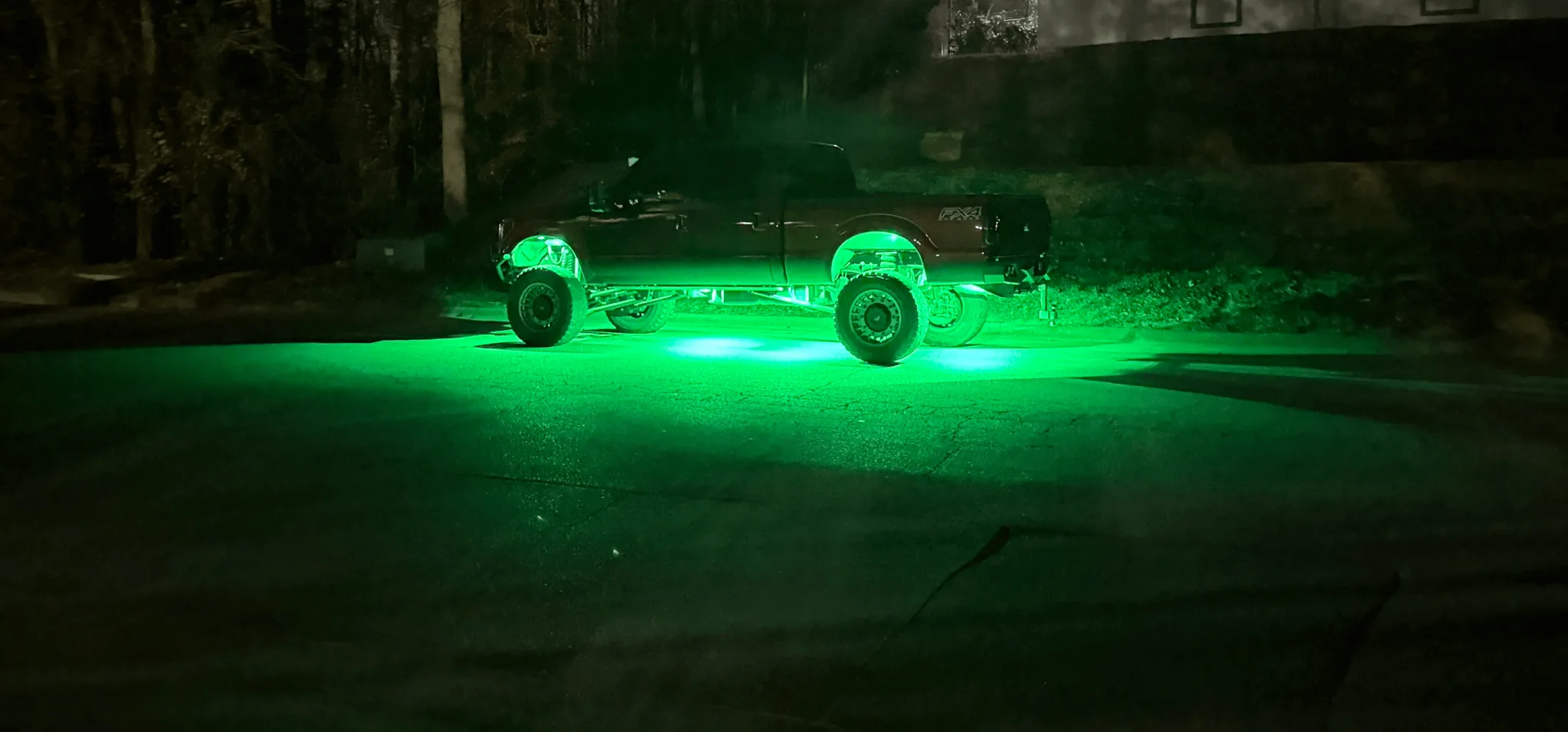
Step one
Choose your platform
The difference that matters most is not brightness — it is which lighting system the rest of your machine is on.
Placement
See where every light lands
The Axion kit builder draws a plan view of a truck, an RV or a side-by-side and lands every light on it as you change the count — so you can see the coverage before you order.
Open the kit builderThe builder configures Axion RGB+W kits, and its diagram is typical placement — final positions depend on the vehicle. Building on Diamond? Use it for the coverage picture and order your kit above.
Compatibility
One Rhino ecosystem. Two lighting systems.
Choose by what you want the lights to do — not by LED count.
Diamond RGB spreads light across 24 individually addressable pixels, because detailed patterns need somewhere to travel. Axion concentrates it in fewer, much larger Cree RGBW packages, because a dedicated white channel needs output behind it. Different architectures, different jobs — and RGB and RGB+W are separate systems that cannot share one configured controller.
Compare Diamond RGB and Axion RGB+W Best for · Emitter architecture · White · Housing · Sealing · Wiring
- Best for
- Diamond RGB Patterns + animation Pixel-dense RGB effects, travelling patterns and directional motion.
- Axion RGB+W Output + dedicated white Vivid RGB plus strong functional white from a channel of its own.
- Emitter architecture
- Diamond RGB 24 x addressable RGB A dense grid of individually addressable RGB LEDs, built for detailed digital effects. Density is what makes a pattern legible - it is not a brightness figure.
- Axion RGB+W High-output Cree RGBW packages Larger RGBW emitters chosen for output and efficiency, each carrying a dedicated white die alongside red, green and blue.
- White
- Diamond RGB RGB-mixed white Red, green and blue combine to approximate white.
- Axion RGB+W Dedicated white White has its own channel and its own die, rather than relying on red, green and blue mixed together.
- Housing
- Diamond RGB 6061-T6 CNC-machined Billet aluminium machined in Huntersville, with the assembly filled in hardened clear resin.
- Axion RGB+W 6061-T6 CNC-machined Billet aluminium machined in Huntersville, with a sealed light face.
- Sealing
- Diamond RGB IP69K Rated for high-pressure, high-temperature washdown.
- Axion RGB+W IP69K Rated for high-pressure, high-temperature washdown.
- Wiring
- Diamond RGB Splitter-based RGB system Lights run back to splitters, which run to the controller.
- Axion RGB+W Linkable RGB+W system Lights link one to the next along the vehicle, with power injected every three lights.
- Pairs with
- Diamond RGB Rhino RGB system Rhino 2.0 whips, Rhino 2.5 Fattie whips, Diamond RGB rock lights, Halos, RGB strip. Connex turn, brake and reverse boards and the Connex switch panels run on RGB.
- Axion RGB+W Rhino RGB+W system Rhino 3.0 whips, Axion RGB+W rock lights, RGB+W strip. Connex turn, brake and reverse is not available for RGB+W yet.
Catalog specifications, rated rather than tested here. The one set of figures on this page that came off a meter is Axion’s, below, and it carries its basis with it.
Choose Diamond for detailed RGB patterns and animation. Choose Axion for RGB plus dedicated functional white.
Build on one system or the other. RGB and RGB+W are separate architectures, and a machine that wants both is a wiring conversation we would rather have on the phone than guess at here. A machine running both families needs two separately configured systems. Talk to us about a two-system build →
Axion RGB+W · on the bench
Measured, not estimated
Axion is the platform we have put on the bench. Every figure below is labelled by how it was obtained.
Illuminance was read at 13 in from the assembled light. Repeatable, but not comparable with figures published at one metre and not honestly convertible into one. Lux is not lumens — we do not publish a lumen figure for Axion, because we do not have an integrating sphere to produce one. Diamond has not been through this bench, so no equivalent figures for it appear anywhere on this page. How we measure →
Built here
Engineering, machining and assembly under one roof
Rhino designs the boards, writes the firmware, machines the housings and assembles, tests and services the lights in North Carolina.
Our board, our firmware
The electronics in both platforms are Rhino designs running Rhino firmware. The LED packages are bought-in parts — Cree, like everyone buys silicon in — and the boards they sit on are ours.
Machined and finished here
Housings are milled from billet aluminium and finished in-house. Both platforms are 6061-T6 and both are rated IP69K — Diamond’s assembly is filled with hardened clear resin, Axion’s light face is sealed. Rated, not tested here.
Tested before it ships
Axion is the platform with a published bench record. Both are assembled and checked here by the people who will repair them if anything ever goes wrong.
Ownership
Serviceable. Not disposable.
We designed these, so we can open them. A light that fails comes back here and is repaired by the people who assembled it — it is not a throwaway.
Request a repair online
Start an RMA from your account and track it through the process.
Real technical support
Wiring and placement questions go to people who build the product, not a script.
Plan the install first
Tell us the vehicle and what else is on it, and we will confirm the kit, the wiring and which system it belongs on before you order.
Customer builds
On real machines
Builds our customers sent in, labelled by the platform actually tagged to each one. Where a build carries both, it is running two separate systems.
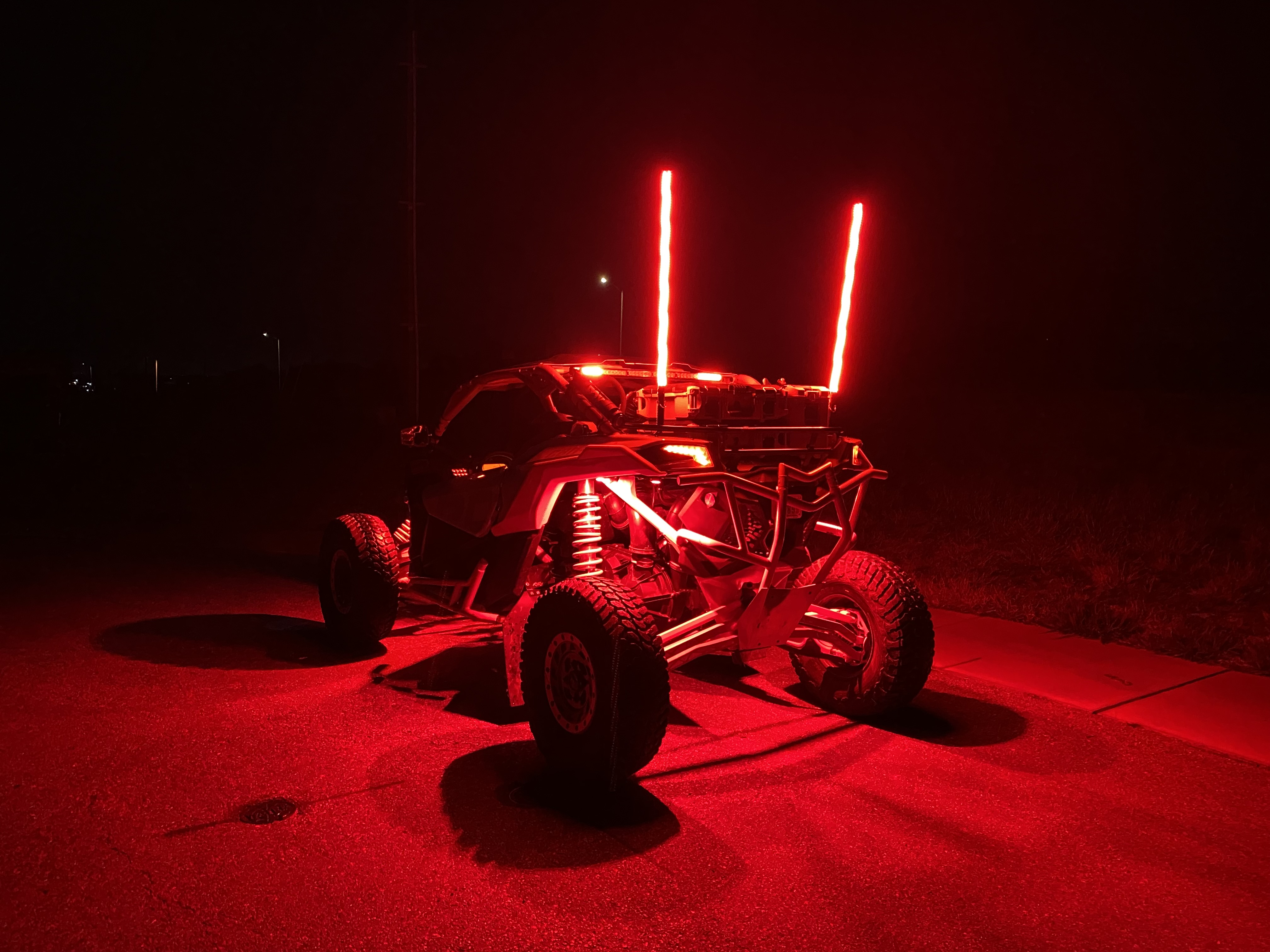 Canam Maverick X3 Build
Diamond RGB
Canam Maverick X3 Build
Diamond RGB
 Golf Cart With Whips, LED Strips And Rock Lights
Diamond RGB
Golf Cart With Whips, LED Strips And Rock Lights
Diamond RGB
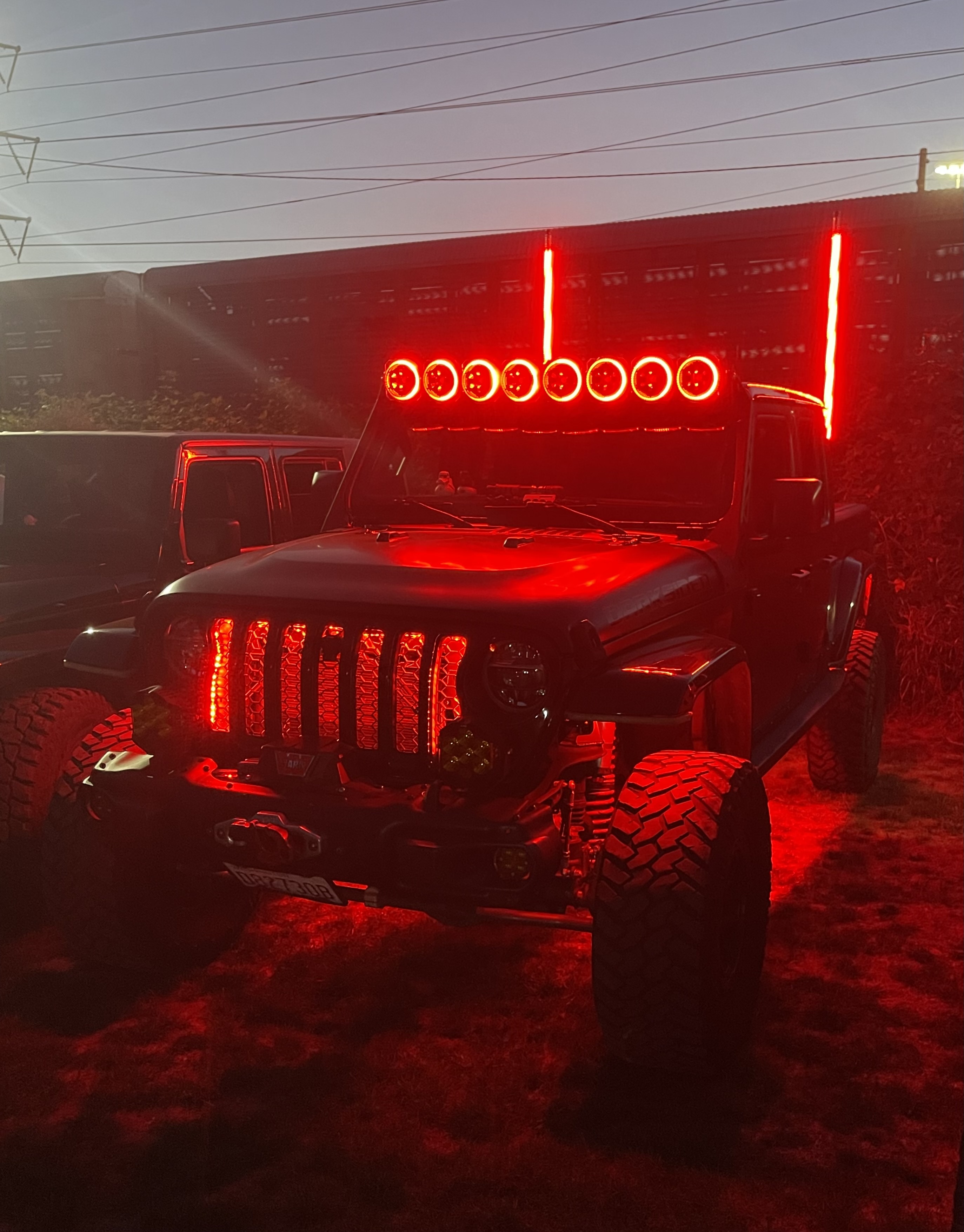 2021 Jeep Gladiator JT
Diamond RGB
2021 Jeep Gladiator JT
Diamond RGB
 2024 Polaris Xpedition
Diamond RGB
2024 Polaris Xpedition
Diamond RGB
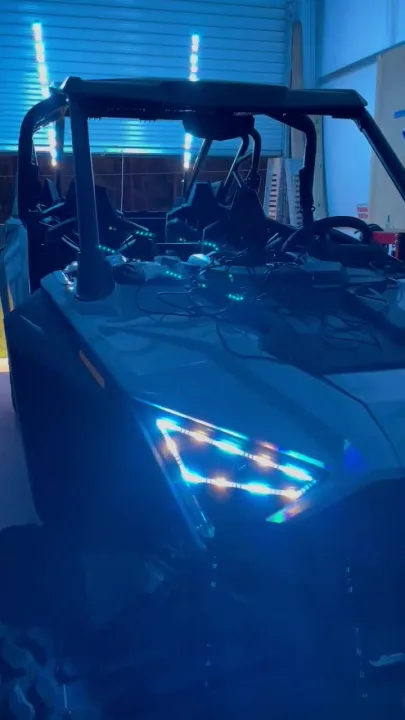 Polaris Pro R Build
Diamond RGB
Polaris Pro R Build
Diamond RGB
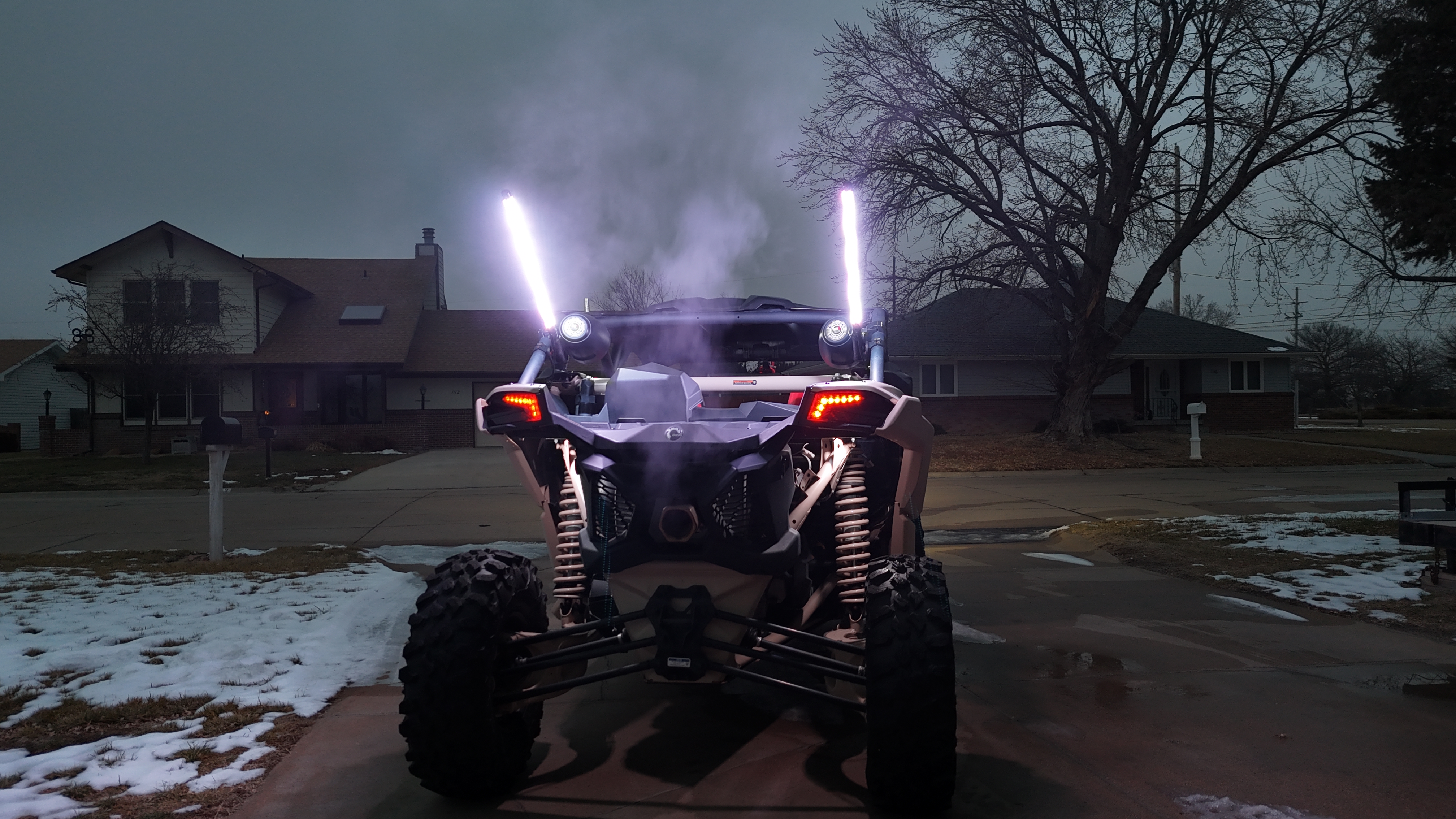 2023 CAN AM Maverick X3 TURBO RR XDS
Diamond RGB
2023 CAN AM Maverick X3 TURBO RR XDS
Diamond RGB
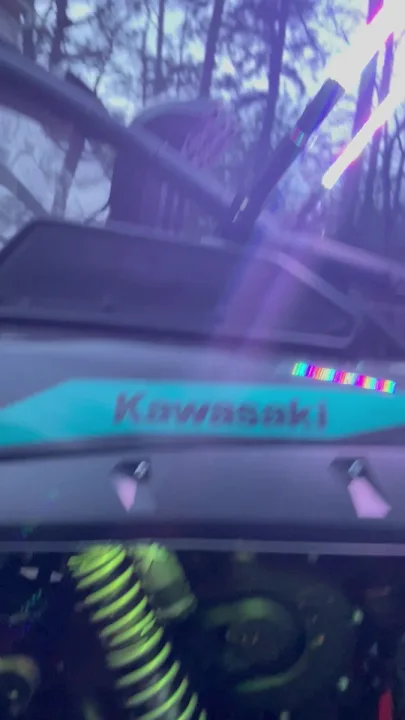 Kawasaki KRX 1000 Build
Diamond RGB
Kawasaki KRX 1000 Build
Diamond RGB
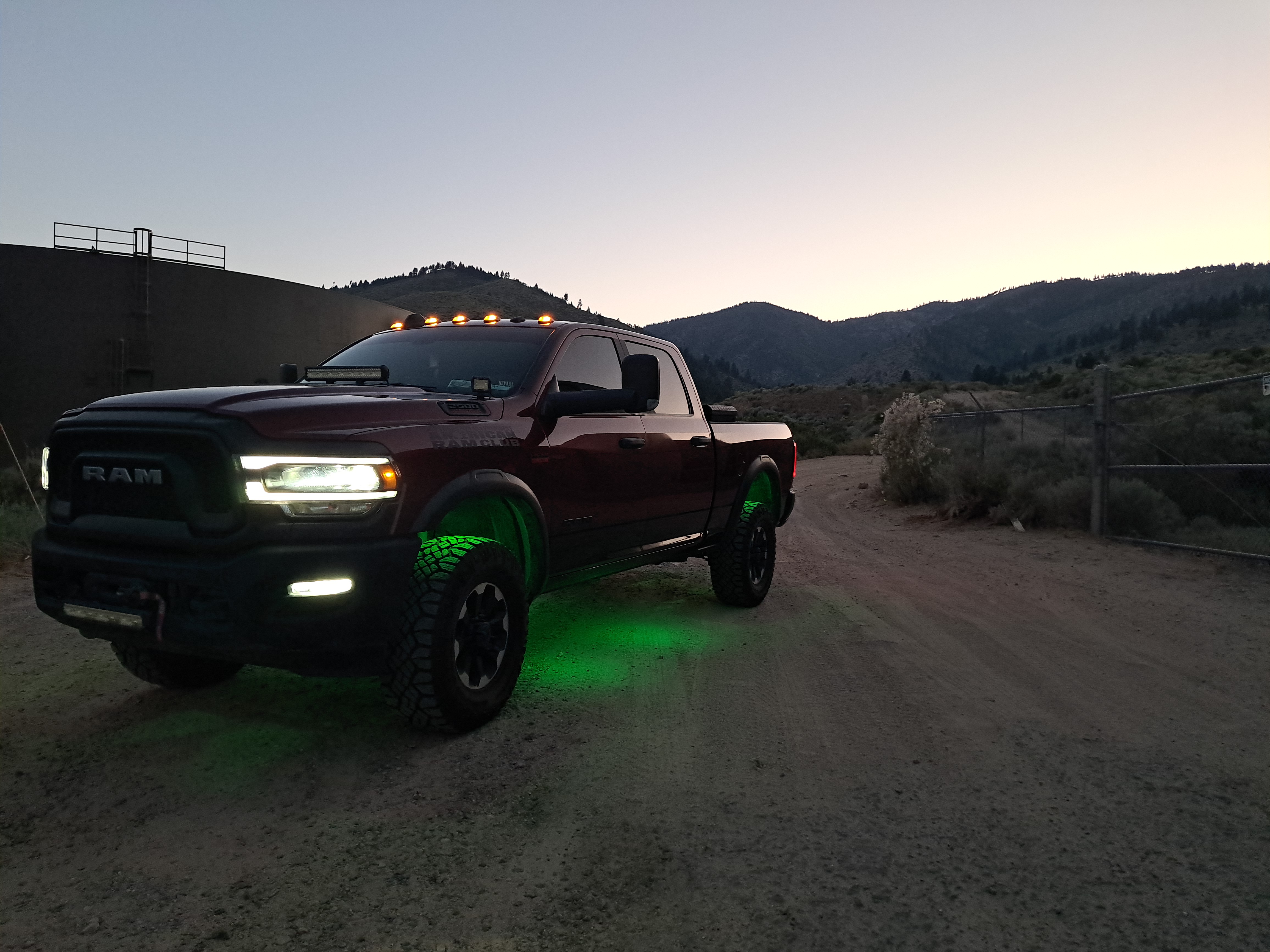 Dodge Ram With RGB Rock Lights
Diamond RGB
Dodge Ram With RGB Rock Lights
Diamond RGB
Before you order
Questions worth asking
Can I run Diamond RGB and Axion RGB+W together?
Not on the same lighting system. Diamond uses RGB architecture and Axion uses RGB+W. They are different lighting architectures and cannot share one configured system.
A vehicle can run both product families — plenty do — but as two separate systems with their own controllers. Tell us what you are building and we will lay both out with you.
Which one should I buy?
Start from what is already on the machine. Running Rhino 2.0 or 2.5 whips? Diamond is the matching platform. Running 3.0? Axion is. Starting from nothing, the question is whether you want usable white as well as colour — that is what the dedicated white channel buys you.
How many lights do I need?
Four covers the wheel wells, which is where most builds start. Eight adds the nose, the tail and light along the belly. Twelve and up is density for bigger machines and show builds.
The Axion kit builder draws the placement for any size and shows where the power injection points fall — see the Axion builder.
Do I need another controller?
Only if you do not already have one on the same architecture. If your machine is already running a Rhino controller on the system you are adding to, keep it — the builder above lets you say so and leaves it out of the order.
The Bluetooth controller is the same part number either way, so there is no second controller to choose between. Same part, two separate systems — it does not make an RGB system and an RGB+W system into one.
What happens if one fails?
It comes back to us and we repair it. Because we designed the board and assembled the light, we can open it on the bench. Start the request from your account and track it through.
Already know the part? Each product page has the install instructions, what’s included and the accessories.